Now What?
Early Years French Immersion: A Gentle Approach
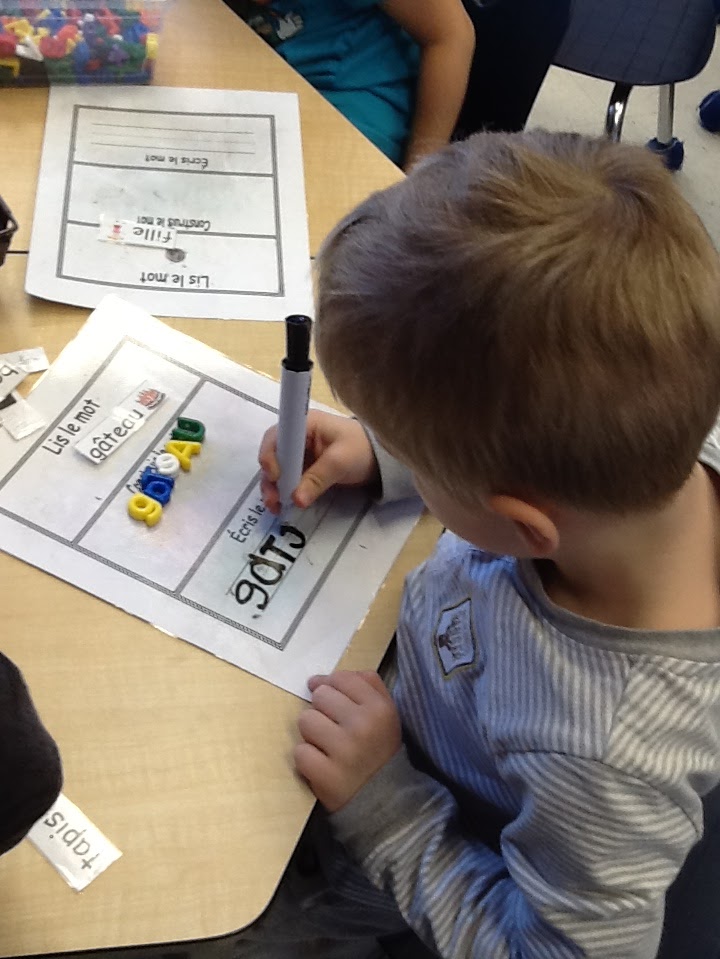
Early immersion has been called a “gentle” introduction to another language. Through watching and listening, students begin to recognize words and phrases, responding appropriately. Soon, they are singing along, joining in during the choral speaking and peppering their sentences with French words. For the first couple of years, students are not expected to speak French at all times. Rather, they’re given positive encouragement to try out the new language. When they make mistakes, the teacher doesn’t say they’re wrong but instead uses repetition and role modeling just as you did as your child was learning his or her first language. Immersion students learn to be good listeners.
Our Program
- French immersion is a highly successful approach to second-language learning—an effective way for your child to become functionally fluent in a second language while achieving all of the objectives of the regular school program.
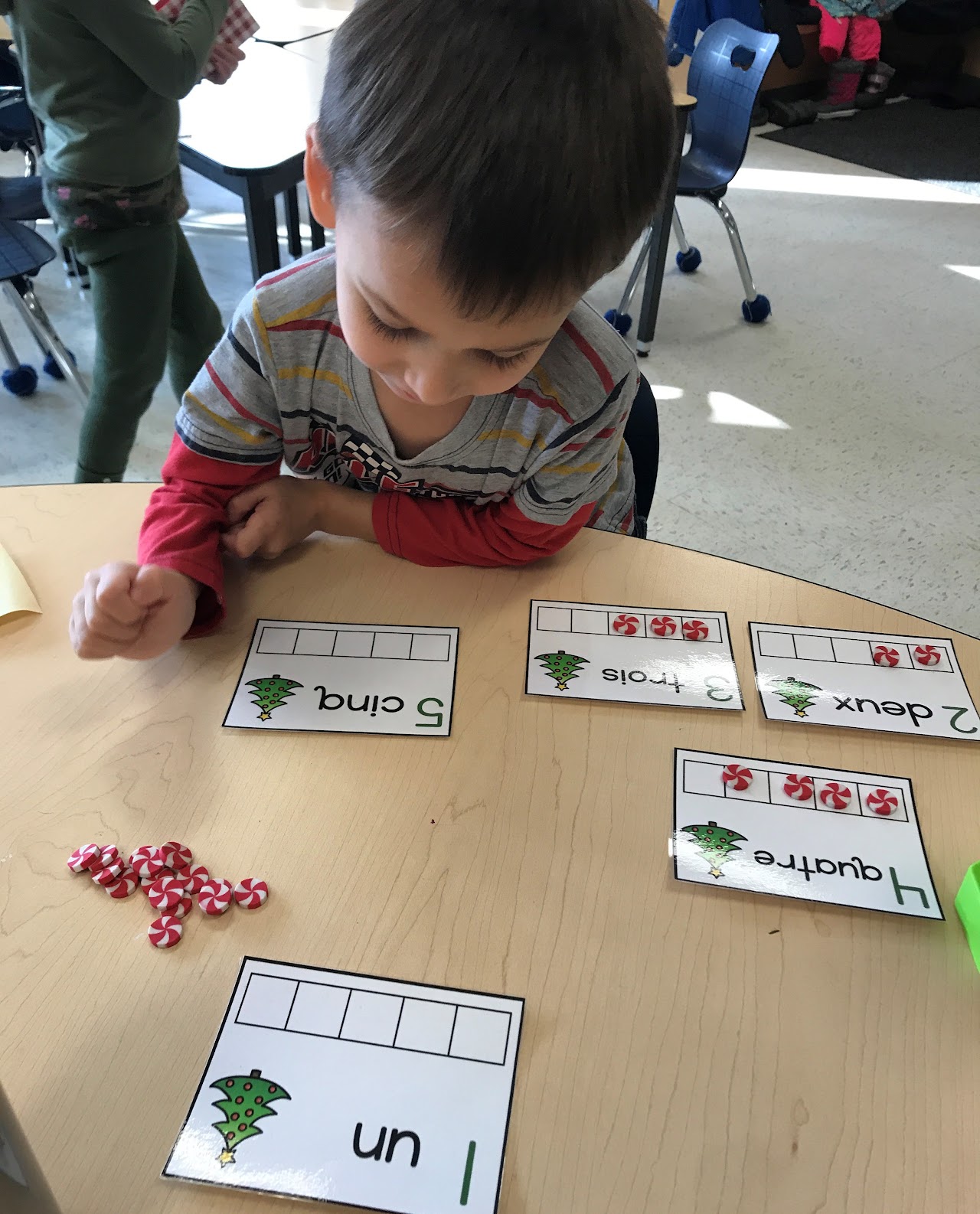
- French immersion integrates language instruction and content-area instruction. Students learn the French language, they learn about the French language and they learn through the French language. Learning the language enables students to read, speak, write and listen in French. Students learn about the language when they study French as a subject. Students learn through language when they use French to solve problems, understand concepts and create knowledge.
- In high school, French Immersion students take 10 credits in French (French and Religion in Grades 9-12, Geography in Grade 9 and History in Grade 10), and receive a special certificate of recognition upon graduation.
- French Immersion classrooms follow the Ontario Curriculum for all subject areas, like their English counterparts, with the addition of the French Language Curriculum.
Parent Partnerships
- French Immersion is a program geared to English families. All communication home to parents is in English. You will be amazed at how you will learn French with your children in the French Immersion programme!
- You don't have to speak French to help your child with French!
- Your involvement and support for your child's education is one of the most important factors in your child's success. Learning a second language requires a high level of concentration and effort; however, parents do not need to know French in order to support their child in French Immersion.
- There are a number of ways you can help support your child:
- talk to your child every day about school
- read with your child every day in English, French or your first language
- listen to music by French artists and watch French programs or favourite movies in French
- find ways to expose your child to French or to use French outside of school time (e.g., French summer camps, activities sponsored by Canadian Parents for French)
- borrow French resources and materials from the public library